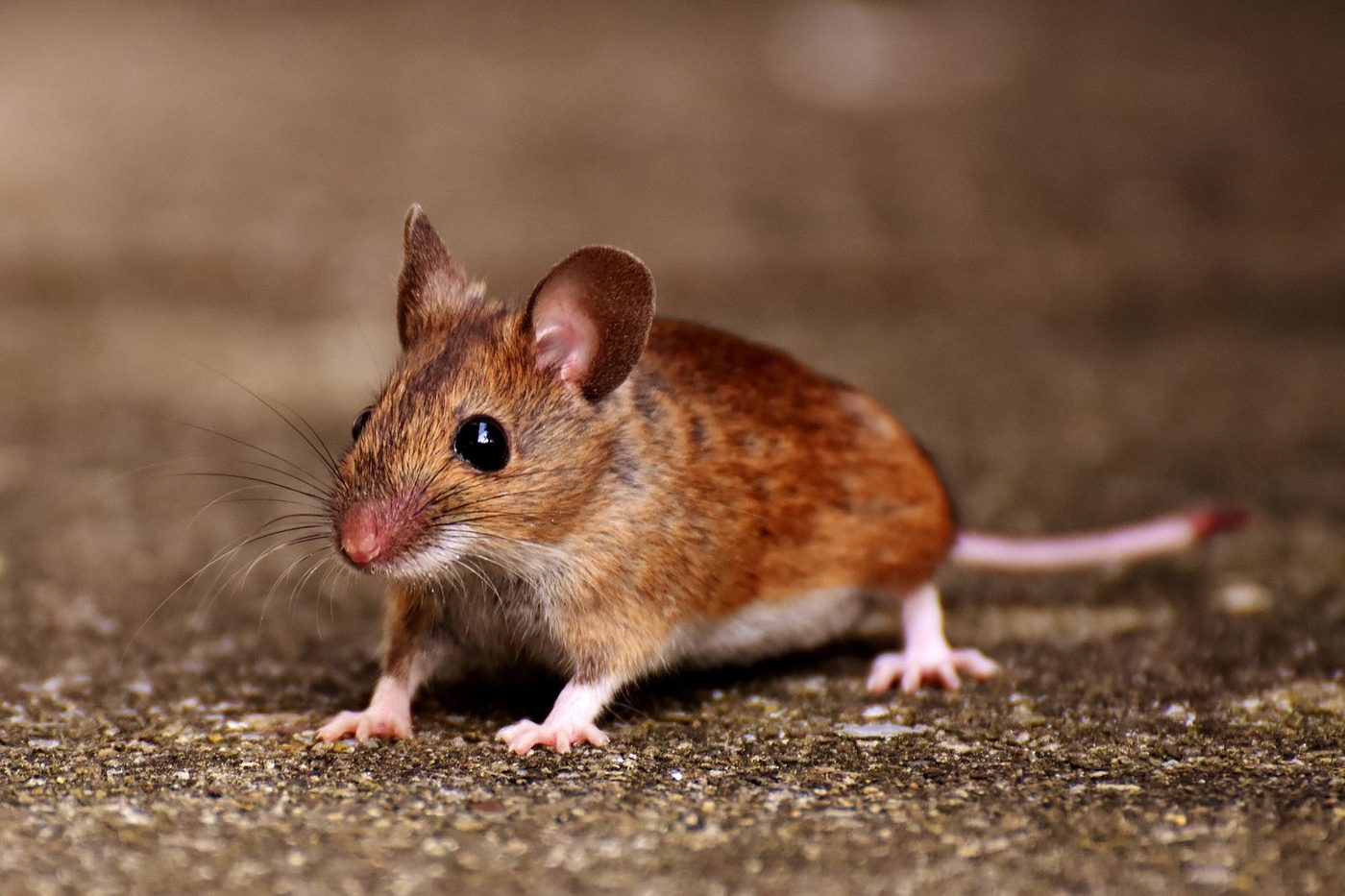
Rodent control is the pest job Euclid needs most, and the reason is the weather. When Lake Erie turns cold, house mice and Norway rats move indoors across the east side, into basements, wall voids, garages, attics, and the space behind kitchen appliances. Euclid's older brick homes, duplexes, and apartments make it easy: decades-old foundations, gaps around utility lines, worn door sweeps, and shared walls all give rodents a way in, and a mouse only needs a gap the width of a pencil. A can of spray does nothing here. Getting rodents out and keeping them out takes trapping, baiting, and exclusion, and the number on this page connects you with a local exterminator who does all three.
Why rodents are a Euclid problem
Mice and rats come indoors for the same three things: warmth, food, and shelter, and a Northeast Ohio winter takes away all three outdoors at once. That is why the calls spike from the first cold snap in fall through the thaw. House mice are the most common, nesting in insulation, wall voids, and stored boxes, and breeding fast, one pair becomes a population in a season. Norway rats are heavier-bodied and stick to basements, sewers, crawl spaces, and the ground floor.
The damage is more than a nuisance. Rodents gnaw wiring, insulation, and stored goods, contaminate food and surfaces with droppings and urine, and carry the mites and pathogens that come with them. In older Euclid housing the entry points are everywhere: the gap where the gas line enters, the space under a warped door, an unscreened dryer vent, or the mortar gaps in an aging brick foundation.
The treatment that actually works
Real rodent control is three things done together. First, trapping and baiting to knock down the active population, placed along the runways and harborage where rodents actually travel, not randomly. Second, sanitation and harborage cleanup so they lose the food and cover that drew them. Third, and most important, exclusion: sealing the gaps, vents, door sweeps, and foundation penetrations they used, because if the holes stay open, new rodents simply replace the old ones.
Exclusion is what separates a real fix from a temporary one. Store traps and hardware-store bait might catch the mouse you saw, but they do nothing about the twenty behind the wall or the gap letting more in. An exterminator finds and seals the entry points, sets a proper trapping and baiting program, and follows up to confirm the population is cleared before closing it out.
Keeping them out for good
Rodent control finishes with prevention, and in Euclid that means getting ahead of the cold. Seal foundation gaps and utility penetrations, replace worn door sweeps, screen vents, keep the garage door bottom sealed, store food and pet food in hard containers, and pull firewood and clutter away from the house. A fall exclusion visit, before the first freeze, is the single most effective thing an older east-side home can do.
Many homeowners keep an exterior rodent station program running year round so a station catches the first mouse before it ever finds a way in. Once the exclusion work is done and the population is cleared, staying rodent-free is mostly about keeping those sealed points sealed and the perimeter monitored.